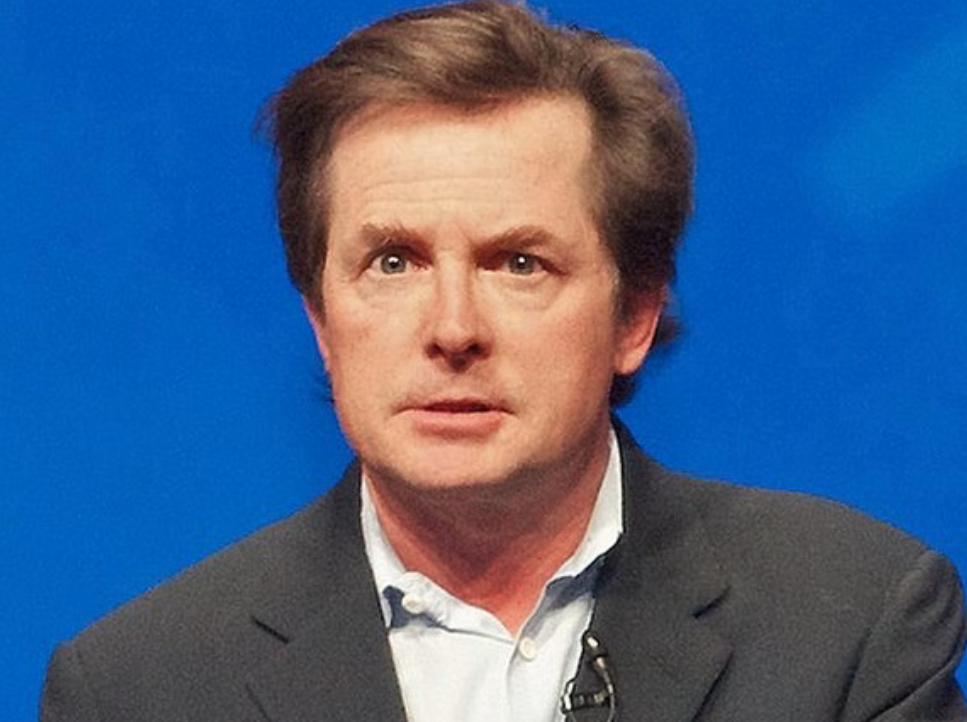
In the pantheon of Hollywood’s most beloved figures, few have transformed personal adversity into global impact quite like Michael J. Fox. For more than thirty years, the actor who once captivated audiences with his boyish charm and impeccable comedic timing has been living with Parkinson’s disease—a progressive neurological condition that has gradually reshaped every aspect of his life. In a recent candid interview, the 62-year-old actor and activist offered perhaps his most forthright health update to date, acknowledging that “it’s getting tougher” as he navigates the advancing symptoms of his condition. Yet even as the physical challenges mount, Fox’s commitment to accelerating research and raising awareness remains as unyielding as ever, cementing a legacy that transcends his celebrated on-screen achievements.
A Star’s Private Battle: The Early Years with Parkinson’s
The year was 1991, and Michael J. Fox stood at the zenith of Hollywood stardom. Fresh off his iconic role as Marty McFly in the “Back to the Future” trilogy and beloved for his portrayal of Alex P. Keaton in the hit sitcom “Family Ties,” Fox had established himself as one of entertainment’s most bankable talents. But behind the cameras and away from public scrutiny, the 29-year-old actor was noticing troubling physical changes—subtle tremors and unexplained stiffness that would eventually lead to a devastating diagnosis.
In October of that year, just weeks after marrying actress Tracy Pollan, Fox received the news that would forever alter his life trajectory: he had early-onset Parkinson’s disease. The diagnosis was particularly shocking given his youth; Parkinson’s typically affects individuals over 60, making Fox’s case exceptionally rare and perplexing for his medical team.
Rather than immediately sharing this life-altering news with the world, Fox made the difficult decision to keep his condition private. For seven years, he continued working in Hollywood, carefully managing his growing symptoms while filming shows like “Spin City” and juggling the demands of his career with increasingly complex medical treatments. This period of secrecy wasn’t merely about protecting his professional prospects—it represented a deeply personal struggle to reconcile his public persona with his private reality.
“I was scared,” Fox would later admit in his memoir. The fear wasn’t just about how studios might react, but about the fundamental question of identity. How would audiences view him once they knew? Would they still see the dynamic actor they’d always loved, or would his diagnosis overshadow everything else?
It wasn’t until 1998 that Fox finally disclosed his condition to the public. The announcement, carefully orchestrated with the support of his family and closest colleagues, marked a watershed moment not just in his personal journey but in the broader public understanding of Parkinson’s disease. Overnight, one of Hollywood’s most recognizable faces became the most visible ambassador for a condition that, until then, had remained largely misunderstood by the general public.